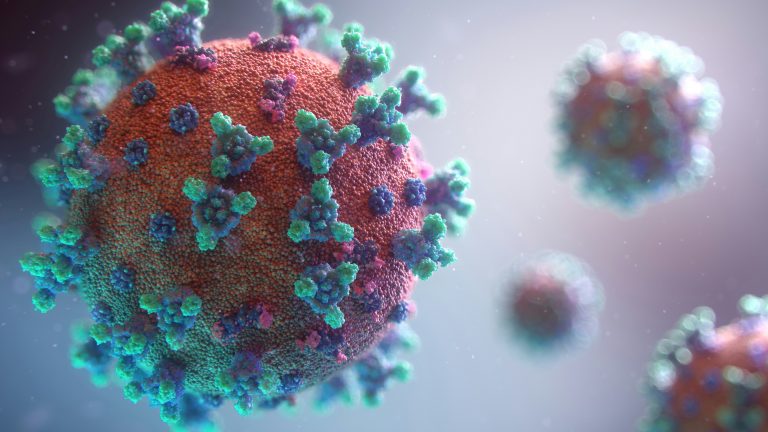
Understanding Zika Virus: Guidelines for Pregnant and Postpartum Women
The Centers for Disease Control and Prevention (CDC) has recently issued interim guidelines aimed at preventing the sexual transmission of the Zika virus. This guidance comes in the wake of confirming the first case of Zika virus infection in a non-traveler in the continental United States, highlighting the importance of awareness and preventive measures for pregnant women and women of reproductive age.
### What is Zika Virus?
Zika virus is primarily transmitted through the bite of an infected Aedes mosquito, but it can also be spread through sexual contact. Infection during pregnancy can lead to serious birth defects, including microcephaly and other developmental issues.
### Key Recommendations for Pregnant Women:
1. **Avoid Sexual Contact with Infected Partners:** If you or your partner have been diagnosed with Zika virus or live in an area with ongoing transmission, it is highly advised to avoid sexual intercourse during this period.
2. **Use of Protection:** If sexual abstinence is not possible, using condoms consistently and correctly can reduce the risk of transmission.
3. **Consult with Healthcare Providers:** Discuss your risk factors with healthcare providers and follow their recommendations regarding testing and monitoring.
4. **Stay Informed:** Keep updated on local Zika virus activity through health department advisories.
### For Women of Reproductive Age:
– If you are considering pregnancy, be aware of the Zika virus and its potential impacts. Postpone travel to areas with high transmission rates and consider speaking to a healthcare provider about your specific risk.
– If you or your partner has traveled to areas with Zika transmission, it might be advisable to wait a specific duration before trying to conceive.
### Conclusion
The CDC’s guidance aims to protect pregnant women and those planning to conceive from the risks associated with Zika virus exposure. Being proactive, informed, and following healthcare advice can significantly reduce risks for both you and your baby.
For more information, visit the CDC’s official guidelines [here](https://tools.cdc.gov/api/embed/downloader/download.asp?m=132608&c=308096).