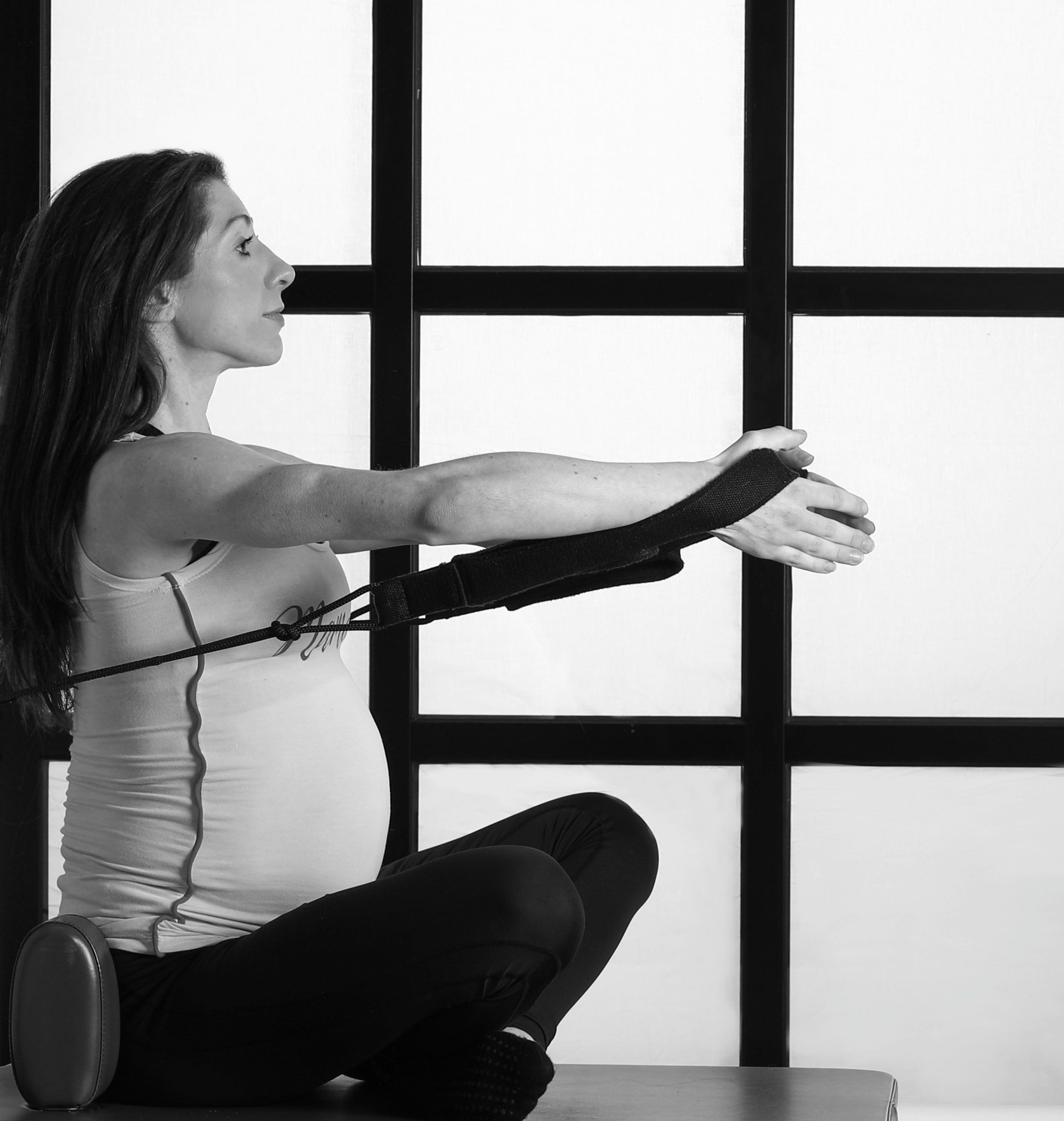
10-Minute Gentle Vinyasa-Inspired Pregnancy Flow
A gentle 10-minute, vinyasa-inspired pregnancy flow based on NHS exercise guidance, with simple supported movements and clear safety notes.
If you are looking for a simple 10 minute vinyasa yoga practice during pregnancy, this gentle flow is a safer place to start than a fast class. It is based on NHS guidance to keep movement comfortable, stay able to talk, warm up, cool down, and avoid lying flat on your back for long periods after 16 weeks. Because the source evidence covers pregnancy exercise rather than a full yoga routine, this is best seen as a vinyasa-inspired movement tutorial, not a specialist prenatal yoga prescription.
Before you begin
Choose a cool, comfortable space. Wear clothes you can move in, keep water nearby, and move at a pace where you can still speak in full sentences. If you were not active before pregnancy, keep this very gentle.
This draft is pregnancy-focused. If you are postpartum, individual needs vary, so it is best to check with your maternity team, GP, physiotherapist, or a suitably qualified postnatal exercise professional before following a yoga flow.
Stop straight away if you have pain, bleeding, dizziness, shortness of breath before exertion, contractions, fluid leakage, or if you feel unwell. Seek urgent maternity or medical advice as appropriate.
What you will do in 10 minutes
- Warm-up breathing and easy mobility – 2 minutes
- Wall pelvic tilts – 2 minutes
- All-fours flowing back work – 3 minutes
- Pelvic floor awareness and gentle reset – 2 minutes
- Cool-down – 1 minute
Step-by-step tutorial
1) Warm up gently – 2 minutes
Stand or sit comfortably. Let your shoulders soften. Breathe normally.
- Take a few slow breaths without forcing them.
- Roll your shoulders gently.
- If standing feels good, shift your weight slowly from one foot to the other.
- Keep your jaw, neck, and hands relaxed.
The aim is simply to arrive in your body and start moving, not to stretch deeply.
2) Wall pelvic tilts – 2 minutes
Stand with your shoulders and bottom against a wall and keep your knees soft.
- Gently draw your tummy button towards your spine.
- Let your lower back flatten towards the wall.
- Hold for about 4 seconds.
- Release.
- Repeat up to 10 times, moving slowly.
This can be a helpful part of a flowing routine because you move between release and gentle effort with your breath.
3) All-fours flowing back work – 3 minutes
Come onto all fours in a box position, with knees under hips and hands under shoulders. Let your fingers face forward. Keep your abdominals gently lifted so your back starts in a neutral, straight position.
- Gently draw in your stomach muscles.
- Raise your back towards the ceiling in a slow curl.
- Let your head relax forward.
- Do not lock your elbows.
- Pause for a few seconds.
- Slowly return to the box position.
Repeat up to 10 times, moving rhythmically and only as far as feels comfortable. Return to a neutral back each time rather than dropping into a hollow lower back.
This is the closest part of the routine to a gentle vinyasa flow: breath, movement, and steady repetition.
4) Pelvic floor awareness – 2 minutes
Come to sitting, or stay in a comfortable supported position.
- Gently squeeze and lift the muscles around your back passage as if you are trying to stop yourself peeing and passing wind.
- Breathe normally.
- Relax fully.
- Try a few quicker squeezes, then a few slower holds.
The NHS advises pelvic floor exercises for all pregnant women. Keep the effort gentle and avoid breath-holding.
5) Cool down – 1 minute
Finish by sitting or standing quietly.
- Let your breathing settle.
- Relax your shoulders and face.
- Take a sip of water.
- Notice how you feel before carrying on with your day.
Gentler options
If you feel tired, reduce the number of repetitions and spend more time resting between movements.
- Do the whole routine seated except for the wall work, if that feels better.
- Shorten the all-fours section.
- Keep every movement small.
- Stop before you feel strained.
Any amount of movement can still be worthwhile.
Safety notes for pregnancy
NHS guidance supports staying active in pregnancy for as long as it feels comfortable, but it also advises avoiding exhaustion. A useful check is whether you can still hold a conversation while you exercise.
- Warm up before you start and cool down afterwards.
- Drink plenty of water and other fluids.
- Avoid strenuous exercise in hot weather.
- Do not lie flat on your back for long periods, especially after 16 weeks.
- If you join a class, make sure the teacher is properly qualified and knows you are pregnant.
If you are unsure about symptoms, comfort, or what movement is suitable at your stage of pregnancy, speak with your midwife or maternity team.
What this tutorial does and does not cover
This routine is designed to be simple and cautious. It does not replace individual medical advice or a tailored prenatal yoga programme. A full vinyasa class, pose modifications for different trimesters, and postpartum return-to-exercise planning all need review by a suitably qualified professional.
FAQs
Can I do this every day?
The NHS encourages daily activity where possible. If this feels comfortable and you recover well, it can be a gentle daily option.
Should pregnancy exercise feel hard?
No. You should avoid exhaustion. A simple guide is that you should still be able to talk while moving.
Can I lie on my back for yoga in pregnancy?
The NHS advises not lying flat on your back for long periods, particularly after 16 weeks of pregnancy.
What if I was not exercising before pregnancy?
Start gently and do not suddenly begin strenuous exercise. If unsure, ask your maternity team for guidance.
Sources and review
Source used: NHS, Exercise in pregnancy.